
AI Can't Match Human Insights in Regulated Industries
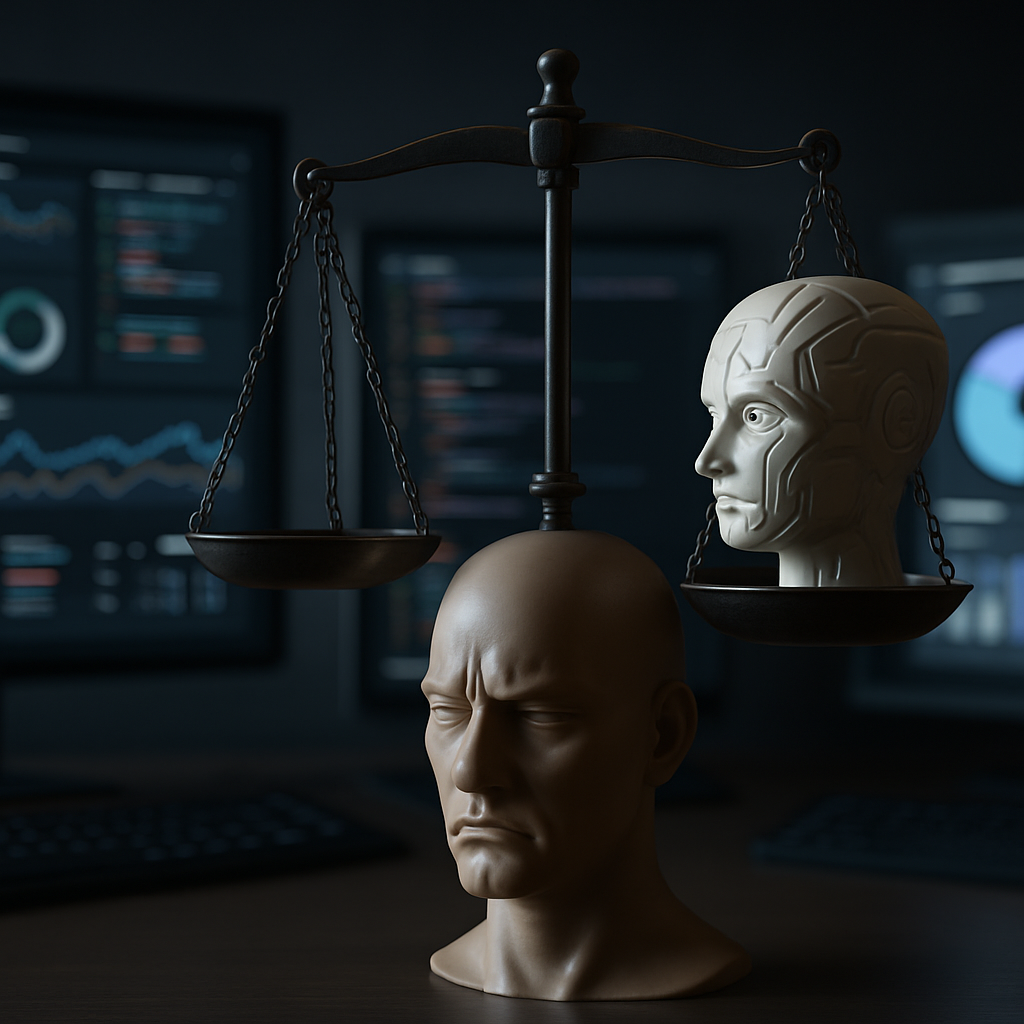
A Lesson from a Fortune 500 Apparel Brand
During a recent project for a Fortune 500 apparel brand, we were tasked with integrating an AI-driven inventory management system designed to optimize stock levels and reduce costs. On paper, the AI model promised a 30% reduction in excess inventory, which sounded impressive. However, two months into the deployment, we experienced a significant hiccup: a sudden spike in demand for a trending product failed to trigger an appropriate restock alert. The AI had not accounted for the rapid popularity shifts that are common in fashion, leading to a stockout situation that cost the brand about $2 million in potential sales.
Why AI Fell Short
This moment reinforced a painful truth: while AI can handle vast data sets and make informed predictions based on patterns, it lacks the nuanced judgment that comes from human experience, especially in industries subject to rapid change and strict regulations.
In our case, the AI model relied heavily on historical sales data—an effective approach until an anomaly like this arises. The machine learning algorithm simply didn't include the social dynamics and pop culture influences that drive fashion trends. When I reviewed the system’s assumptions, it became clear it couldn’t adapt quickly to fluctuations driven by outside factors like influencer endorsements, seasonal changes, or even unexpected viral moments. The real lesson is that AI's reliance on historical data can create pitfalls when future conditions deviate from past patterns.
The Judgment Gap
In regulated industries, such as finance or health care, that gap in judgment becomes even more pronounced. Consider a recent project for a regulated beverage portfolio where we developed an AI solution aimed at ensuring compliance with constantly changing industry regulations. While the system helped manage compliance reports and gather data efficiently, complex decision-making situations still needed human oversight to navigate the intricacies of regulatory changes. At one point, an overlooked update in labeling regulations led to a compliance breach that nearly jeopardized a major product line—one better avoided through astute human oversight.
The Cost of Trusting AI Blindly
Teams that overly trust AI can experience severe repercussions. Relying too heavily on an AI for crucial decisions without supplementing it with human validation can lead not only to financial loss but also reputation damage. According to a report from a combined industry study, organizations that combined AI with human intelligence reported not only lower error rates—averaging around 5%—but also improved operational efficiency by approximately 40%. In contrast, companies solely relying on AI faced error rates exceeding 15%.
Finding Balance
So how do we strike a balance between automated efficiencies and necessary human insight? Emphasize a hybrid approach where AI handles data processing and pattern recognition while leaving critical decision-making in the hands of experienced personnel. In our experience, this duality allows us to maximize the strengths of both AI and human intelligence, preventing costly errors, and improving overall performance.
Conclusion
In my view, AI may analyze data sets faster than any human being, but it cannot replicate the intricate understanding required in regulated environments. For the job to succeed, human decision-making must remain at the forefront. I can’t stress this enough: AI may process the numbers, but it's human insight that interprets them.
Next time you're tempted to let AI take the wheel, remember: in regulated industries, the human judgment will always be the safety net.