
Checkout Chaos Lessons: The Hidden Cost of WooCommerce Race Conditions
When the Checkout Broke
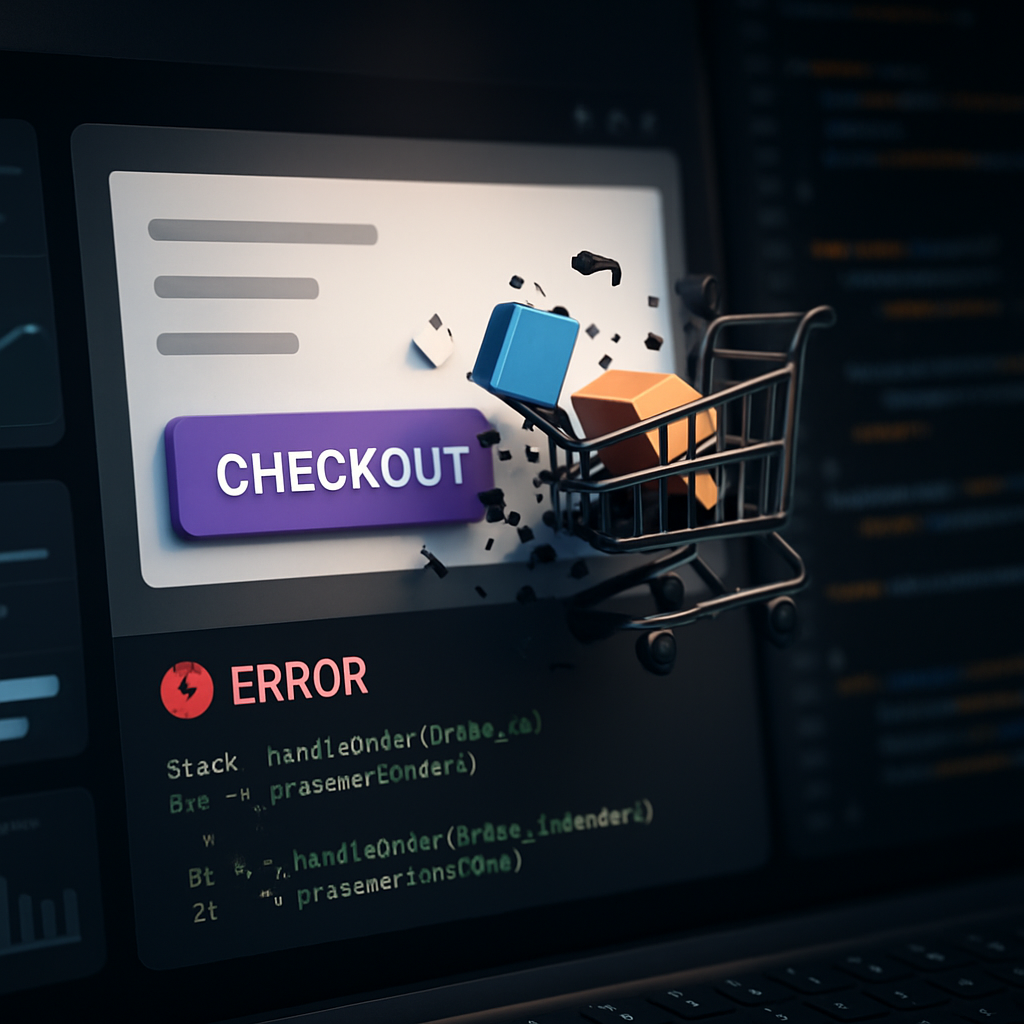
Last spring, while working with a Fortune 500 apparel brand, I faced a chaotic situation during a major sales event. The checkout process was supposed to handle a spike in traffic—an expected 200 transactions per minute. Instead, we encountered a significant problem. Customers were clicking 'Submit' only to see a frustrating 'processing' screen for what felt like an eternity.
The Culprit: Race Conditions
This checkout issue traced back to race conditions between two plugins: one handling inventory and the other managing the payment gateway. We had over 1,000 concurrent users, and the atomic operations meant that inventory checks weren’t always consistent. If two users attempted to buy the last item in stock at the same time, one would proceed with the transaction while the other faced a cryptic error.
We had a 15% error rate spike on checkout during the event—this translated to an estimated $250,000 in lost sales. Not to mention the reputational damage during a peak buying period.
Lessons Learned
Here’s what I learned from that debacle:
- Understand your plugins: Each additional plugin brings potential performance risks. An inventory management plugin coupled with a payment gateway may create unforeseen bottlenecks. My team should have thought critically about how they interacted.
- Implement locking mechanisms: If you’re dealing with finite resources, consider implementing a locking strategy. This can manage concurrent inventory checks, ensuring that only one transaction can finalize the purchase of an item at its limit.
- Test under load: We should never assume the existing setup can handle peak loads effectively. Time spent on pre-launch load testing could have saved us from major headaches—and cash loss.
- Graceful failure handling: Ensure that users get clear messages rather than cryptic errors. Providing alternatives, such as notifying users when a product is back in stock, keeps them engaged instead of frustrated.
The Tech Stack Tradeoff
In hindsight, integrating WooCommerce with a REST API built on Laravel could have streamlined some of these processes. However, that would come with its own overhead in terms of development and potential performance issues. Trade-offs are part of the game, and sometimes lightening your load by using fewer plugins can make the system more robust.
Final Thoughts
As we push towards a more complex environment with headless setups or integrated PHP frameworks, we need to remain vigilant of the fundamental issues lurking in our codebase. Race conditions can wreak havoc, particularly during critical sales moments. At the very least, let’s ensure our code is resilient enough to remain stable under pressure.
As we prepare for next week’s deployment, remember this: “In eCommerce, a smooth checkout isn’t just nice; it’s non-negotiable.”