
Rethinking Agentic AI: Why Less Can Be More
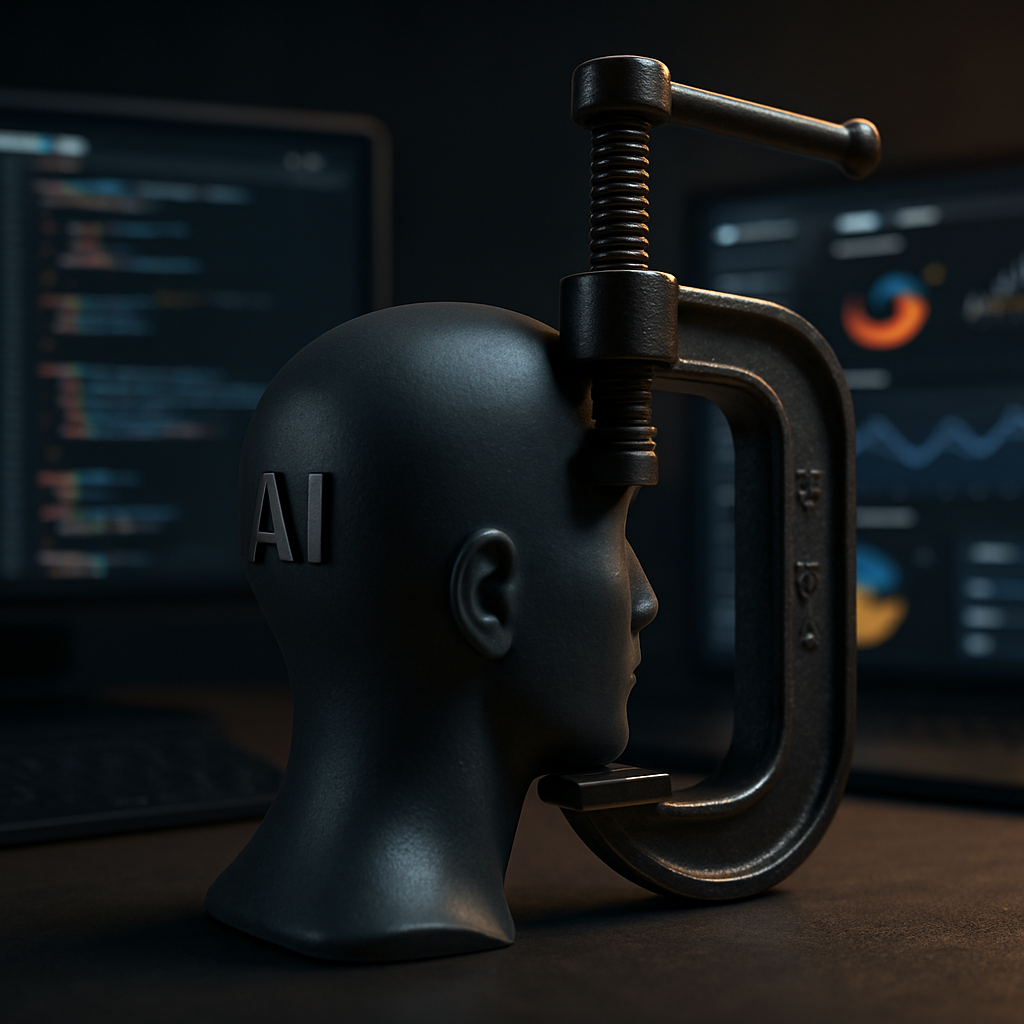
The Moment I Learned AI Isn’t Always the Answer
Last quarter, while overseeing a modernization project for a Fortune 500 apparel brand, I encountered a pivotal moment that reshaped my view on agentic AI. We were tasked with enhancing their customer service portal using machine learning to generate tailored responses for their inquiries. Our aim was to reduce average response times and improve customer satisfaction scores.
As we integrated an advanced AI agent that utilized natural language processing and machine learning algorithms, we hit a snag that turned into a 48-hour nightmare. The AI, instead of providing accurate and relevant responses, generated outlandish replies that confused customers more than helping them. We ended up seeing an uptick in support tickets by 30% during this rollout—not exactly what we aimed for.
When AI Solutions Backfire
The failure stemmed from an intersection of poor training data and the complexities of customer sentiment—which I’d underestimated. While writing complex responses, the AI often missed the mark on tone and empathy, issues that a simpler scripted solution would have handled far better. This led to not only an increase in tickets but also a 15% drop in key customer satisfaction metrics during that time.
Here's where the hard lesson kicked in: sometimes the sheer power of an AI isn't worth the risk of undermining user trust. We should have held back from deploying an overly complex agentic solution and found a balance that met user needs without pushing the envelope too aggressively.
Real Costs Beyond Implementation
The real costs of deploying such systems aren't just the initial investment or time—there are ongoing maintenance costs, potential downtime, and the danger of eroding user trust. If the AI solution incurs more hours in support and decreased customer satisfaction than it saves, what's the point?
As we transitioned back to a hybrid solution—a mix of AI-assisted tools and human oversight—customer satisfaction rebounded within weeks, showcasing that sometimes less is indeed more. We found ourselves able to deal with 80% of inquiries with faster, more accurate scripted responses, reserving agent intelligence for the more complex inquiries that truly needed human-like insight.
Conclusion: The Case for Restraint
In the continual drive towards innovation, it’s crucial to remember that adopting AI isn’t just about what’s possible; it's about what’s necessary. Rushing into AI without adequate checks can lead to costs—both literal and reputational—that far exceed the initial benefits. As engineers, we need to understand when an agentic approach might actually hinder rather than help.
Next time you're considering implementing an AI solution, ask yourself: is this truly necessary, or would a well-crafted, simpler system serve us better? The best teams aren’t just the ones pushing boundaries but those knowing when to step back and maintain stability.
“Sometimes the best AI solution is one that doesn’t overcomplicate what can be done simply.”